You already have the group. What you do not have is the time to price hotels, hold room blocks, book coaches and chase forty deposits while also doing your actual job. That gap is the whole reason private group tours exist, and it is where I spend most of my working week.
Who These Tours Are For
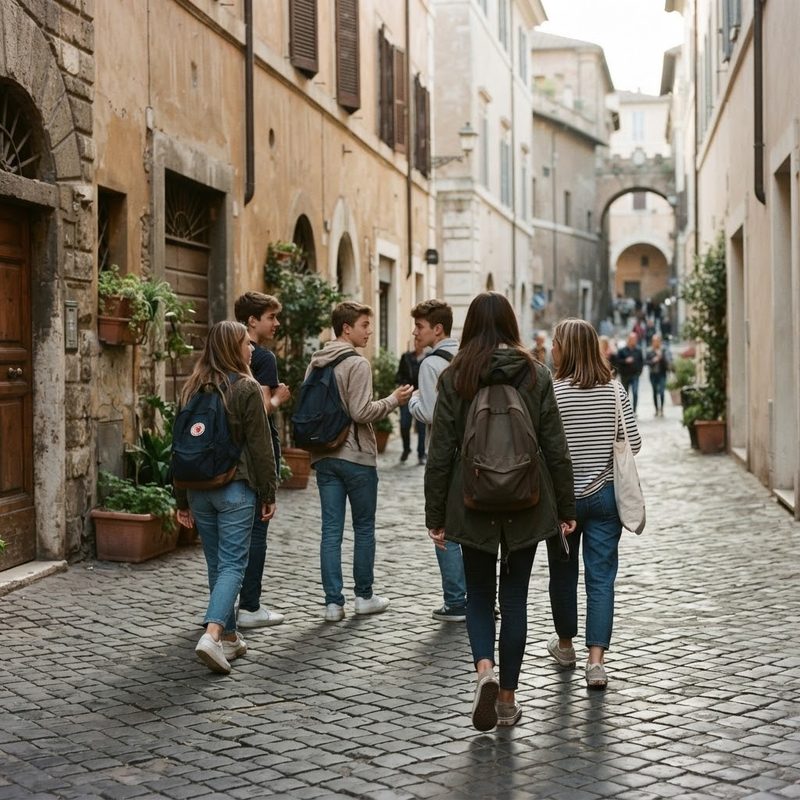
A private tour works whenever a shared interest holds a group together and someone in it is willing to be the point of contact. The people I build for most often are:
- Teachers and educators working in art, history, language or culture
- Artists, photographers and other creative professionals
- Winery owners, wine shops and wine educators
- Chefs, restaurants and culinary professionals
- Sports clubs, coaches and special-interest groups
- Community leaders with an engaged following
- Anyone with a clear theme and ten or more travelers
Give me a subject and a headcount and I can hand back a route. The theme does not have to be sophisticated; it has to be specific enough that people know why they are travelling with you rather than booking the trip themselves.
Groups usually fail at this stage by being too broad. Travel with everyone who likes music and you have to design for nobody; travel with the trumpet section and the itinerary mostly writes itself. Specificity is also what converts interest into deposits, because it tells people who else will be sitting next to them on the coach.
What Leaves Your Plate
You should never have to negotiate with suppliers, sign hotel contracts or work out which coach company actually shows up on time. That side is my job, and it is the side that quietly decides whether a trip is smooth or memorable for the wrong reasons.
- Full itinerary design built around your theme and your audience
- Hotels and accommodation suited to group travel, not single-room pricing
- Transport between legs: coaches, trains and internal flights
- Experiences and visits that match your focus instead of a standard sightseeing list
- Local guides and partners where they add something, not everywhere
- Registration, payment collection and the paperwork behind them
- Coordination on the ground for the length of the trip
The part people underestimate is transport. A group of twenty-two moves at the speed of its slowest walker and its two wheelchair users, and a route that looks fine on a map can cost you ninety minutes a day in loading and unloading. I plan group itineraries around those minutes from the start.
Timing is the other quiet killer. A coach call at eight in the morning after a long-haul flight looks efficient on paper and feels brutal in practice, so I build slack into the plan: a slow first afternoon, a rest block after every travel day, and meal bookings that assume the group will arrive in dribs and drabs. A third of my revisions are simply about putting back the minutes a first draft tried to save.
Your Idea, Turned Into an Itinerary
Every departure is built from your concept and your people rather than pulled off a shelf. A few of the shapes I have built recently:
- An art-focused journey led by the artist or the art teacher
- A vineyard route led by a working wine professional
- A culinary route put together with a chef or restaurant owner
- A photography or creative retreat with a working rhythm
- A sport or activity trip built around a club and its schedule
- A cultural deep dive run by someone who genuinely knows the subject
Mixed groups are common and they work. I have run weeks where half the party came for the painting and the other half tagged along for the food, and the trip held together because the days were paced for both.
Pacing deserves its own conversation. Twenty-five people want at most three stops in a day, and the second stop should be somewhere they can wander off from. I put the demanding museums early, when legs are fresh, and save the plazas and the free hours for late afternoon. It is not a complicated rule and it gets broken constantly by itineraries written for a smaller group.
Size, Dates and Structure
These are the numbers I work with, so you can see whether your idea fits before we schedule a call:
- Typical group size: ten to twenty-five travelers
- Format: a private group departure, never an open public tour
- Dates: fixed with you, subject to availability and season
- Audience: your members, clients, students, followers or neighbours
Ten is the floor because below that the per-person cost stops making sense against what an individual could book alone. Twenty-five is the comfortable ceiling: still one coach, still one guide, still a single restaurant block. I will help you shape the length and the standard so the trip works financially as well as logistically.
Season moves the number more than anything else. The same itinerary in May and the same itinerary in July can differ by a quarter, so if your group is price-sensitive, say so in the first call instead of at the quotation stage. I would rather design around a real budget than send back a proposal nobody can afford.
Why Groups Hand This to Us
Custom group travel is the whole business here rather than a side product, and educational, cultural and experiential programs are what we do daily. My job is to make the week predictable enough that you can concentrate on your people, whether that means leading, teaching, inspiring or simply hosting.
No one expects you to become a travel expert to run one of these. The requirements are an idea other people want to share and a group willing to pay a deposit.
What you do need is a deadline you can hold your group to. Groups with a date and a deposit window fill; groups with enthusiasm and no date stall until the season closes. I will supply the dates, the price and the paperwork, but the announcement has to come from you, because people sign up for a person far more often than they sign up for a place.
- Custom trip design for private groups, start to finish
- Trusted partners and local support teams in every destination we sell
- Flexible payment plans and a booking flow that does not need chasing
How a Tour Actually Gets Built
For anyone who likes to see the sequence in advance, this is the order of work:
- A short planning call where you describe the group, the theme and your rough dates.
- A drafted route with a day-by-day outline and a price per person, usually within a week.
- A hold on those dates while your group reads the outline and responds.
- Registration opens, deposits come in, and monthly plans start for anyone who wants them.
- Final headcount, rooming list and confirmations with our local partners on the ground.
Nothing is locked until you say it is. If the first draft is wrong in tone or too tight on days, it costs us a revision, not a deposit.
And if all you have is a half-formed idea sitting in a group chat, that is a normal place to start. Most of the tours I run began as one person's screenshot and a rough headcount. Bring those two things and we will know within a week whether the trip is real.