Coaches ask me why Spain rather than a training camp forty minutes from home. The honest answer is that the sessions are only half of it. Players come back sharper, but they also come back having spent a week inside a country where football is discussed at breakfast, argued about at lunch and played in the park after dinner.
Why Spain Works for Player Development
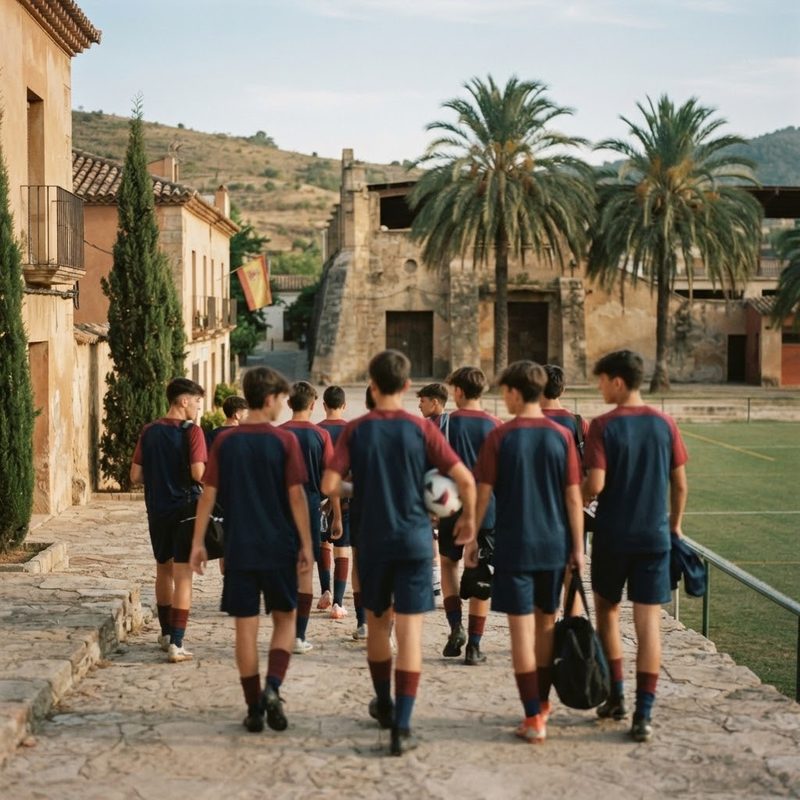
Spain is one of the birthplaces of the modern game and remains a reference point for technical quality, tactical intelligence and the way young players are developed. Training inside that environment teaches something hard to reproduce at home: the habit of receiving the ball under pressure and knowing where the next pass is before it arrives.
Our programs put your players in front of experienced local coaches while the rest of the week covers the culture, history and passion that make Spanish football distinctive. Athletic growth and a proper trip, in the same fortnight.
There is also a practical argument. Sessions are run the way academy staff run them for their own age groups, with weight on understanding the game rather than on fitness work that could happen on any pitch. Coaches correct habits in the moment, and players who are used to being the best in their local league get a fair sense of how much work is left.
What Every Program Includes
- Professional training led by experienced coaches from our partner clubs
- Four to five morning sessions a week, plus one optional afternoon session
- Ninety-minute academy-style practices
- Technical work and tactical development in the same session
- Goalkeeper training available for keepers in the group
- Friendly matches when fixtures can be arranged
- Programs running from one week to two weeks
- Private groups only, with planning handled by us and support around the clock
Sessions run in the morning on purpose. Afternoons stay free for the cultural side of the trip and for rest, which matters more than coaches usually admit when a group is training and sightseeing in the same week.
Groups run privately, so your squad trains as a squad. When the numbers allow it, players are split by ability rather than by age alone, and keepers are worked with directly instead of left to warm up on their own at the end of practice.
A Sample Week
Every itinerary is written for the group, but the rhythm tends to look like this:
- Morning session at the training facility: ninety minutes of technical and tactical work.
- Lunch and a rest block at the hotel, because afternoon heat and jet lag are real.
- Afternoon activity: a stadium tour, a museum, the old town or the beach, depending on the base.
- A second morning session on the alternate days, with the optional afternoon work for players who want it.
- A friendly match midweek or at the end, subject to fixtures and the age group.
- One full day off in the middle of the trip, which is where the group actually bonds.
Duration is flexible. One week is enough for a first trip with a school group; two weeks suits clubs who want measurable work alongside the matches.
Choose Your Base
- Barcelona. Training in one of the great football cities, with Gaudi, the Mediterranean coast and Catalan culture filling the afternoons.
- Madrid. The capital, its legendary football traditions and the historic landmarks that go with them.
- Seville. Andalusia, with one of the most intense football cultures in the country and an easy pace to the rest of the week.
The three bases give different climates, different cultural programmes and different flight options, so the choice usually starts with logistics rather than football.
Who Comes and Where They Stay
Programs run for players aged six to twenty and are organised for schools, clubs, academies and girls-only teams. All levels are accepted, from beginners to advanced players, and groups are built around the age band rather than mixed by convenience. Schools typically ask about middle school, high school or club teams, and we plan to that.
Players stay in carefully selected hotels with their teachers and chaperones, in rooms arranged by the group's own supervision policy. Coaches from our partner clubs lead the sessions, and the adults who travelled with the team stay responsible for the team, which is the arrangement schools look for first.
Everything can be adjusted: length of program, level of training, cultural activities, even the balance between sessions and matches. Tell me the constraint, whether it is budget, exam dates or a squad carrying injuries, and the itinerary bends around it.
Parents usually want three answers in writing before a consent form comes back: who is supervising in the evening, how the group gets from the hotel to the facility, and what happens if a player is injured or unwell. Those answers go into the information pack you send home, along with the daily timings, so nobody is guessing at a school assembly.
Beyond the Training Pitch
The cultural programme depends on the city: stadium tours, historic sites, museums, beaches and the highlights of the region. This is the part parents ask about, and it is the reason a player remembers the trip in five years when they have forgotten the score of the friendly.
Evenings are deliberately light. The group eats together, walks the neighbourhood and gets to bed, because three sessions plus two museums in the same day produces tired players and short tempers. Rest is part of the programme, not the gap between it.
A guide who has worked with our groups for years put it better than I can. He has led groups of different ages, nationalities and interests through more than forty countries in every season, and he says the thing he would have wanted as a boy is exactly what this trip offers: time in a first-division club's facilities, learning how professionals understand the team side of the game and their own technique, in the country whose players have lifted the World Cup and the European Championship. Add a week in another country, he says, and you get the sporting part plus everything around it.
Getting Started
- Tell me the age group, the number of players, your dates and your base preference.
- I come back with a tailored itinerary covering training, matches and cultural days.
- You review the quotation with your school or club, then we confirm the facility and the hotel.
Nothing about the week is prepackaged. Send the squad size and the window you can travel in, and I will build the football experience around them.
Allow a few weeks between the first enquiry and a confirmed facility, especially for spring and early summer, when the partner clubs set their own training calendars. Early enquiries do not cost more; they simply keep the good morning slots available.