How These Language Programs Work
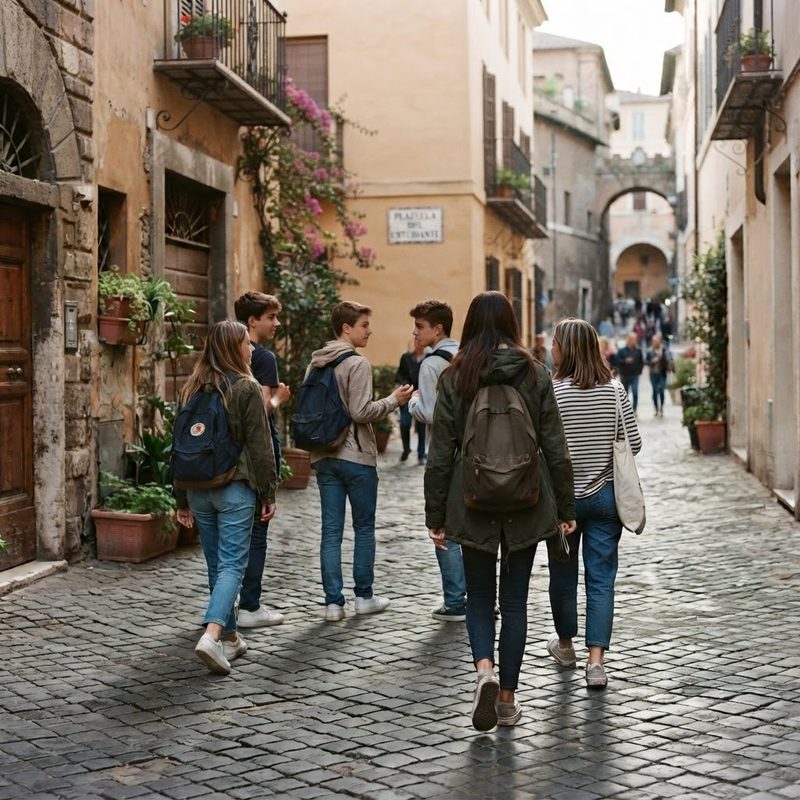
Spanish is taught at a great many schools across Spain, and over the years I have narrowed my list to the ones I trust with a group of teenagers. Those partners are known for solid classroom teaching and for the way they look after students outside the classroom, which matters more than most schools expect until week one.
Every program below is a language course paired with a homestay and a small group of peers. Students attend class in the morning, live with a local family, and have structured time in the afternoons. That combination is what makes the progress visible: a student who only hears Spanish on a guided tour comes home with vocabulary; a student who has to ask a host mother for salt comes home with Spanish.
These are my preferred partners rather than the only options. If your department already works with a school or a city I have not listed here, I am happy to build around it.
One question worth asking before you sign: how does the school group its morning classes. Placement by level rather than by age is what keeps a first-year student from sitting beside someone who has taken four of them, and that difference decides how much speaking a shy student does in week one.
Where Students Can Study
- Salamanca - 1 to 3 weeks in a university city built for walking, with a large student population and enough English around to keep a beginner from panicking.
- Santiago de Compostela - 1 to 3 weeks on the Camino route, combining language classes with the pilgrimage landscape of Galicia.
- Santiago Language School - 1 to 3 weeks, a smaller standalone school in the same city for groups that want fewer peers and more individual attention.
- Cadiz - 1 to 3 weeks in an Atlantic port city, useful when your group likes the sea and you want a compact place to move around on foot.
- Valladolid - 1 to 3 weeks in central Spain, quieter than the coastal options and often cheaper in high season.
- Peru - 1 to 3 weeks outside Europe, for departments that want Latin American Spanish rather than European varieties.
- Costa Rica - 1 to 3 weeks with a homestay, an ecology angle, and a very different accent from the Spanish options.
- Homestay in Costa Rica - 1 to 2 weeks, the shorter Costa Rica format when your calendar will not stretch to three.
AP Spanish and Course Focus
Several of these schools prepare students for the AP Spanish exam, which is worth knowing about if your group is heading into testing season. Preparation can be built into the morning classes without turning the trip into a second school year; the afternoon and evening hours stay free for conversation practice and for the parts of the trip students actually remember.
Tell me your subject focus, whether that is exam work, conversation, literature, or everyday fluency, and I will match it to the school that teaches that way.
Choosing the Right Base
Three questions decide almost every placement. How confident are your speakers, how far are they willing to walk, and how much of the day do you want structured. A nervous beginner does better somewhere with a little English available; an advanced group gets more from a city where nobody switches languages for them.
Duration is the fourth question. One week is an exposure; two weeks is where students start answering in Spanish without translating first; three weeks is where you can hear the difference in their voices on the flight home.