What a Themed Trip Is For
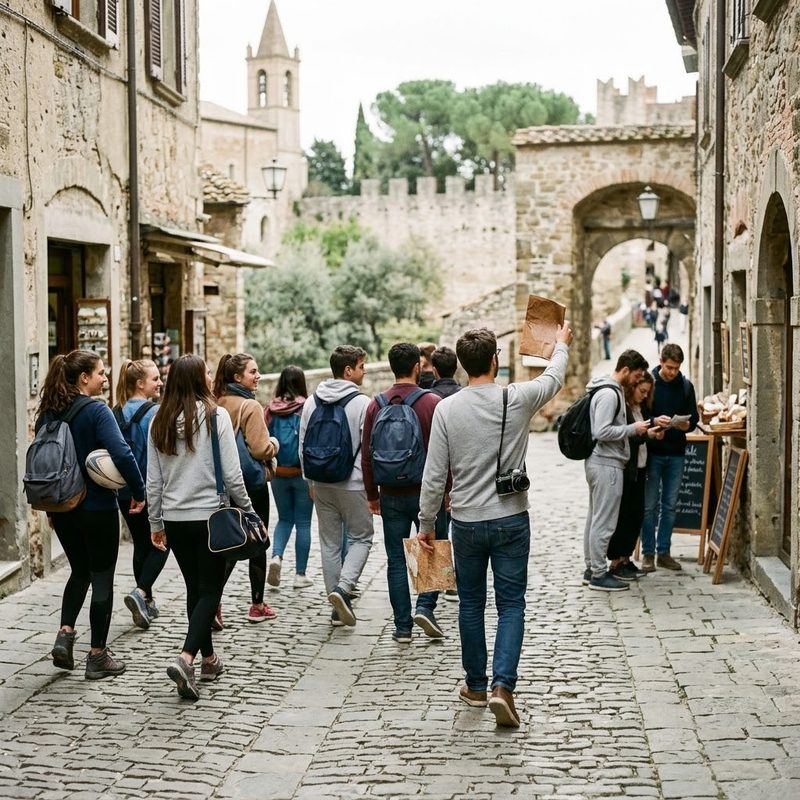
Theme gives a trip a spine. A group that travels under one clear idea stops asking what we are doing today and starts noticing the thing the day was built around, whether that is a football pitch, a Roman road, or a market kitchen.
This collection groups our themed programs into three families: sport, the Roman world, and food. Each one was chosen rather than assembled, and every route can be adjusted for your dates, your group size, and the level your students are working at.
I keep this page deliberately short. Fifteen programs is enough to choose from, and the point of a theme is focus rather than volume.
Soccer Camps in Spain
- Soccer Camp in Spain - training sessions, local players, and time in a country where football is a daily subject rather than an extracurricular one.
- Soccer Camp in Barcelona - the same camp format with Barcelona as the base, which tends to raise the excitement level considerably.
- Soccer Camp in Andalusia - the southern version, useful when your dates fall in the hotter months and afternoon shade matters.
Routes Through the Roman World
- Portugal: The Romans in Lusitania - the Roman layer of Portugal, from foundations to roads.
- Romans in France - a twelve-day sweep through Paris, Lyon, Nimes, Avignon, and Marseille that treats Gaul as one continuous story.
- Roman Trip in Hispania - Roman Spain, following the province system rather than the modern borders.
- Romans in Tarraconensis - the northern and eastern stretch of that same province, including the coast.
- Viatores in Italia - the Italian leg, where the material students have read about is standing in front of them.
- Roman Trip in England - the British side of the same empire, pairing nicely with a UK leg if your schedule allows.
Culinary Programs
- Culinary Trip in Southern Spain - markets, kitchens, and the regional dishes that explain the geography.
- Culinary Trip in Southern Spain and Portugal - the same approach across a border, which makes the differences easier to taste.
- Culinary Trip in Italy - an Italian food route built around regions rather than restaurants.
- Culinary Trip in France - classic format with a STEM-learning variant for classes that want the science of cooking alongside it.
- Food Tour in Paris - a Paris-only program, shorter to plan and easy to attach to an existing itinerary.
- Culinary Journeys of Europe - the multi-country food route for groups whose interest is broader than one kitchen.
Adapting a Theme to Your Class
Start with the subject you teach and let the route follow it. A physical education group will get more from three training weeks than from six museums; a classics class will get more from broken paving stones than from a stadium tour.
Then decide how much of the theme should be structured. Camps and classes run on fixed schedules, while the Roman and culinary routes leave more room for your own lessons in the evening. One practical note on that: a camp sets its own timetable, so free time is whatever the camp leaves over, whereas on a route I control I can move a morning around when your class needs a longer lesson or a slower start.
Tell me your dates, your headcount, and which family above fits, and I will come back with a draft you can argue with.